Beginner’s Guide to choosing Tanjore Painting
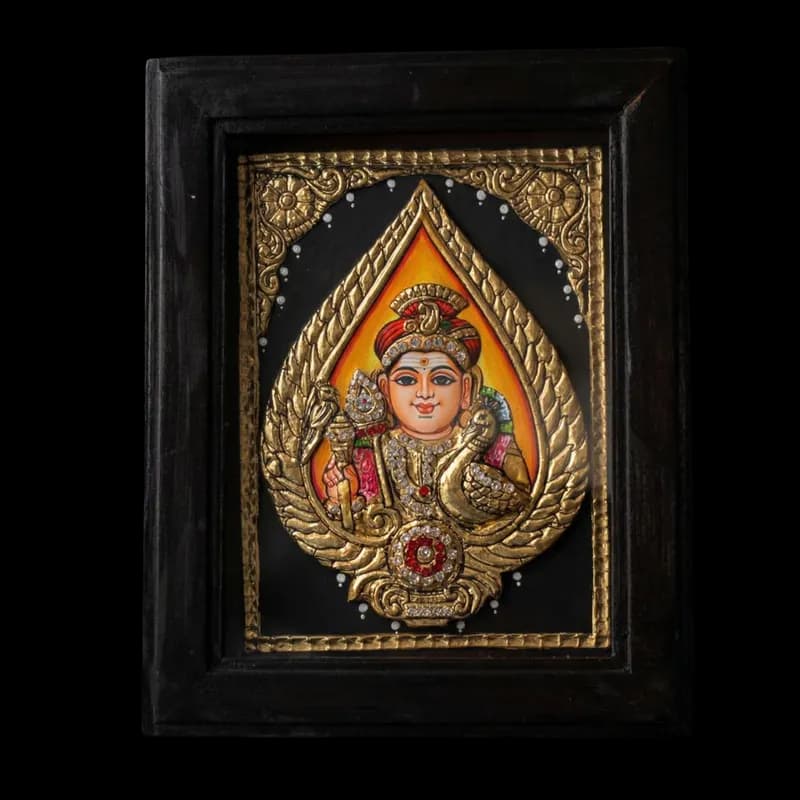
Originally known as Palagai Padam (Paintings on wood), this grand art form carries a legacy dating back to the 16th century. While the styles have evolved over generations, it still remains a living art tradition of Tamil Nadu.
As thanjavur (tanjore) paintings gain global popularity, the market has unfortunately been flooded with mass-produced duplicates.
To ensure you are investing in a piece that retains your cultural value for generations, we have curated a guide on what to consider before bringing a painting home.
1. Know Your Artist
The crucial step in choosing an authentic thanjavur (Tanjore) Painting is knowing the artist who crafted it.
Many large marketplaces and commercial galleries lack transparency, they operate with a high-volume sales perspective, which often leads to the use of cheap substitutes and less-skilled labor.
When you work with an artist directly, there is no compromise on integrity. An artist-led studio ensures the painting is made with the correct mediums and traditional materials rather than a mere commercial product.
2. Inspect the Muga Lakshanam
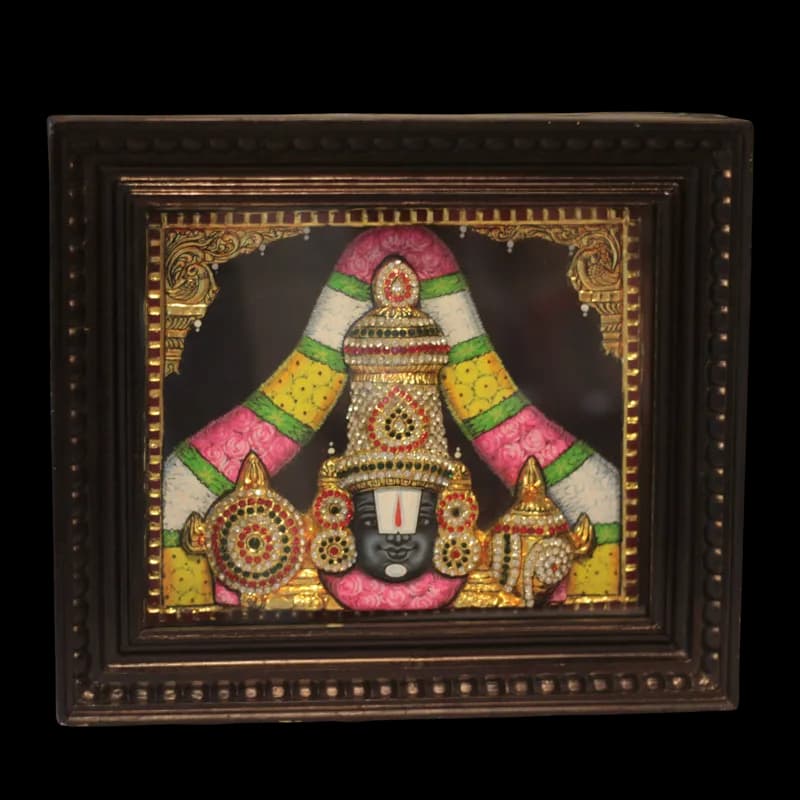
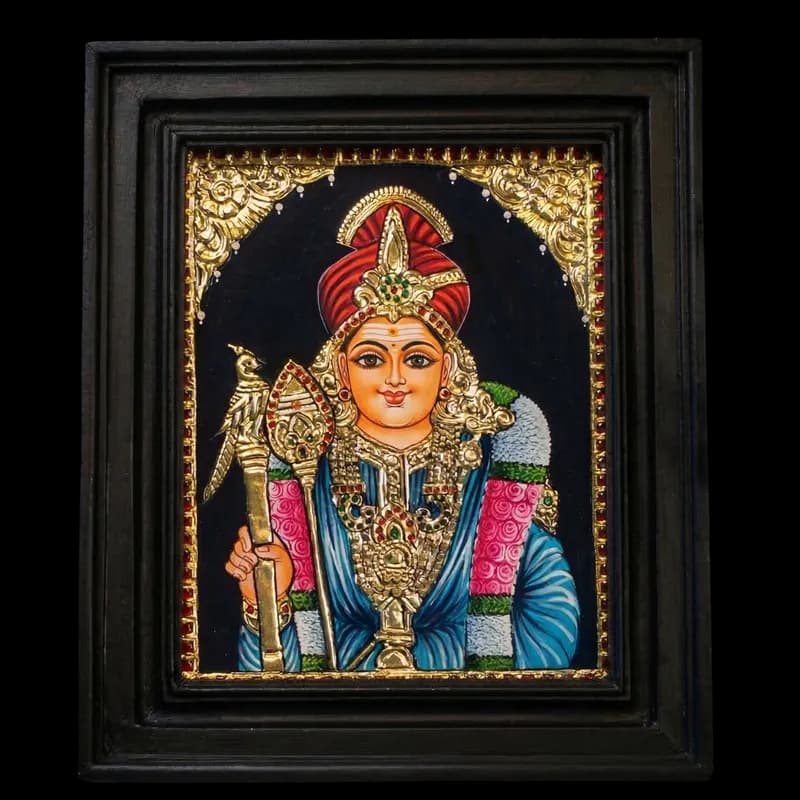
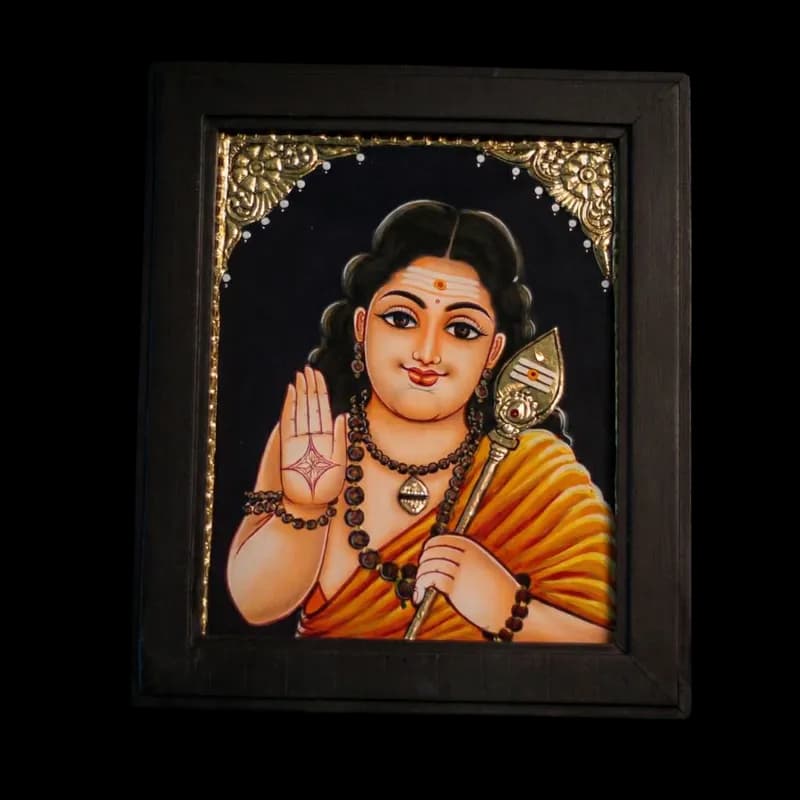
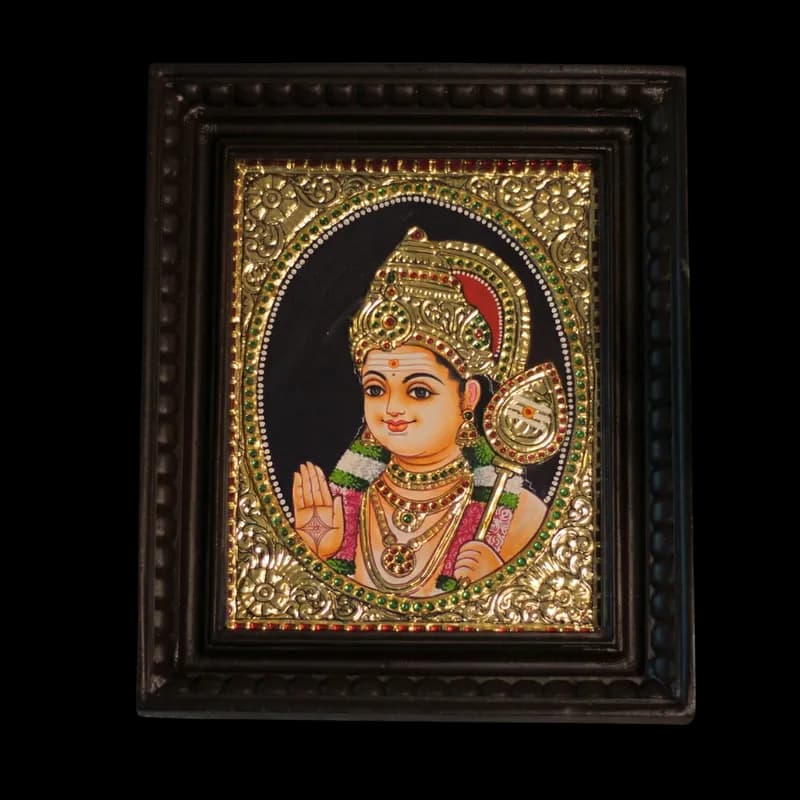
The true test of authenticity lies in the Muga Lakshanam , the divine expression of the face and eyes. While the general composition of a painting is easy to replicate, mastering the eyes requires years of dedicated practice and a sense of devotion.
Cheap duplicates almost always fail this inspection, the expressions often appear flat or distorted. An expertly crafted painting should radiate serenity and grace, making you feel a personal connection to the deity the moment you look at them.
3. If the Price is Too Good to Be True, It Is.
Authentic Thanjavur (Tanjore) paintings use high-quality 22-carat gold foil. Given the current value of gold, these materials are a significant investment. If you are offered a "Tanjore" painting at an incredibly low price, it is likely a scam.
Mass-producers often swap real gold for inexpensive foil, the kind used to wrap chocolates. This imitation material darkens and peels quickly, turning what should be a lifelong heirloom into a faded, dull print within just a few years.
Finally, speak directly to the person behind the painting. Whether it’s the gallery owner or the artist themselves, a conversation reveals far more about the painting than a product description ever could.
Whether you are looking for your first thanjavur (Tanjore) Painting or have questions about the process, we’d love to help. Feel free to book a call with us!