Confessions of a Tamilian in Australia

I learnt what it feels like to be a foreigner in a room full of people who look exactly like me.
After spending 26 years in India, being born and raised in a small town in the centre of Tamil Nadu while calling the tip of Tamil Nadu my native, moving to Bengaluru to study law and staying on to work there for 8 years and now having called Sydney, Australia home for 2 years, I am so, so sad to confess: not once, not even in eight years of a city that spoke every language but mine, did I feel left out for not speaking Hindi.
It took a room in Australia.
A conversation that started in English slipped into Hindi and just stayed there. You laugh a beat after everyone else, because the laugh is the only part you can follow. You wait to be let back in and nobody notices, because nobody had to.
I sat with that feeling for a long time before I could say anything useful about it. And what I landed on is this: it was never about me. It has nothing to do with me not knowing one language among the many spoken across India. It is about the person who chooses to speak a language not everyone in the room understands and that reflects on how they were raised far more than it reflects on me not knowing a language.
I had spent 26 years in a country of a thousand tongues and never once felt like mine was the wrong one. It took leaving India for someone to make Tamil feel small.
And I will admit, Tamil and I have had a long, complicated relationship. I've been lazy with it. I let it sit quiet while English did the talking. But standing outside a conversation that was never meant to keep me out, I felt something I had never felt before. Not embarrassment. Something closer to grief. And underneath it, a refusal to ever again be the one who is underrepresented, the one left out.
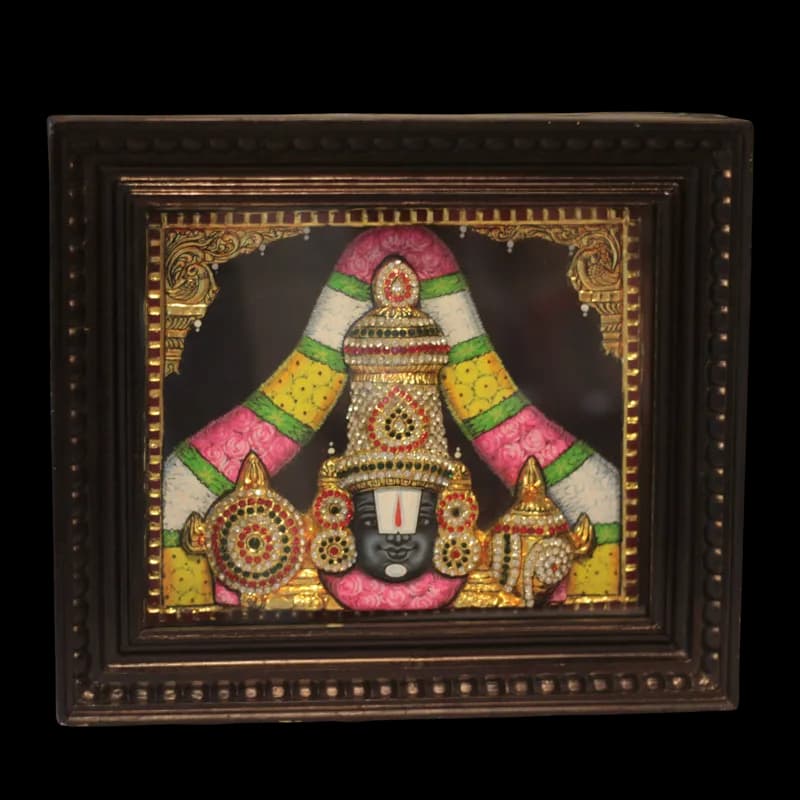
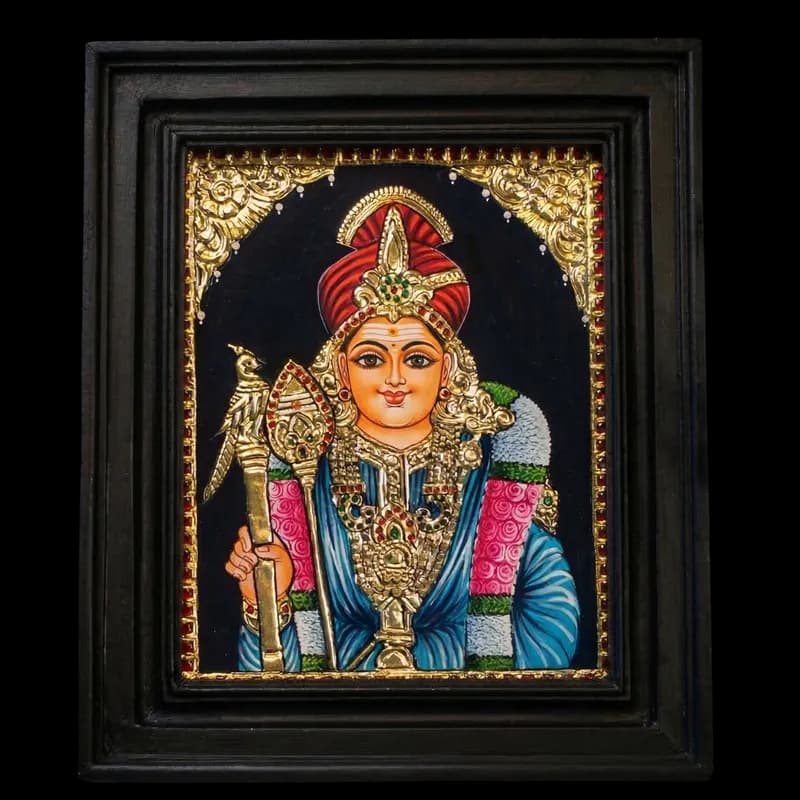
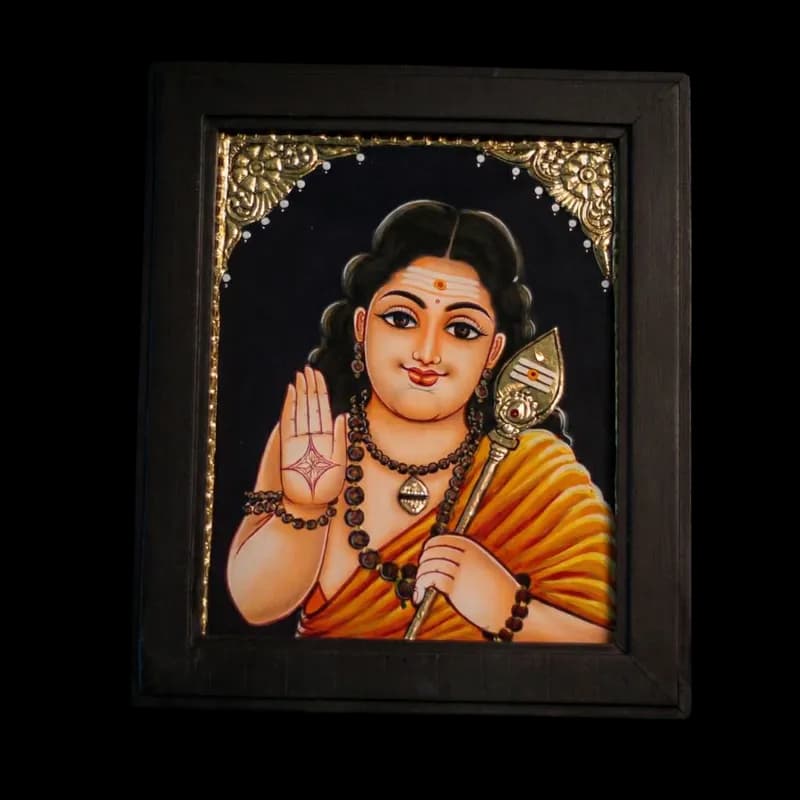
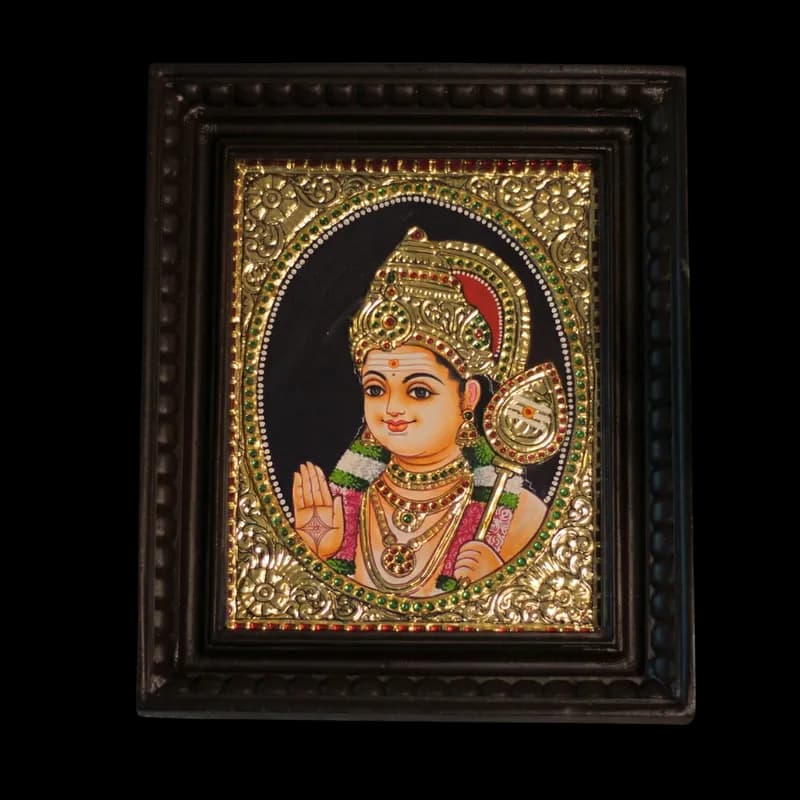
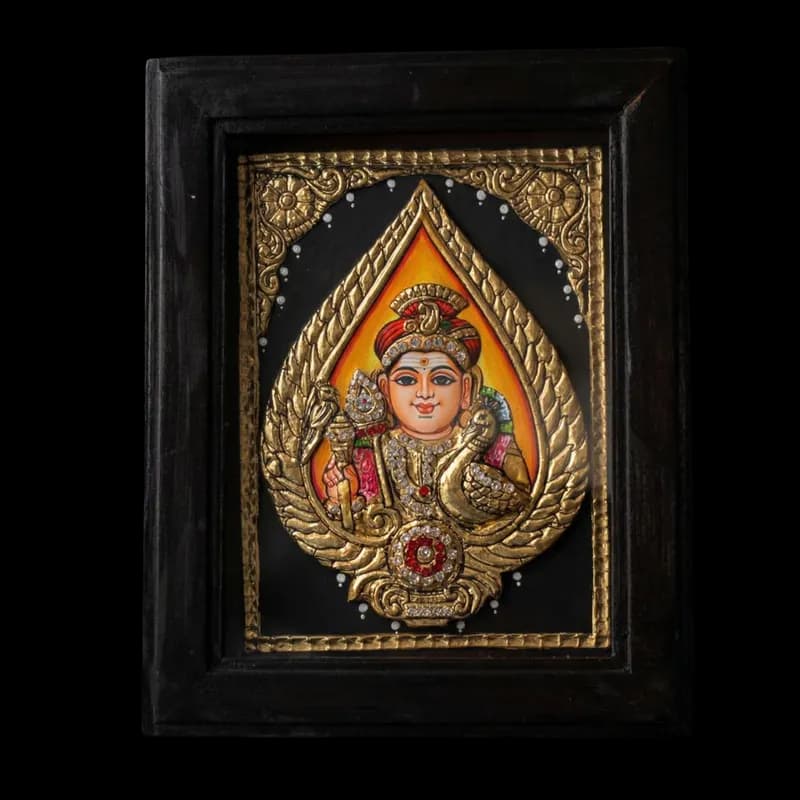
I may not be a linguist, but I know art and art carries language even when words don't. Because language also lives in the gold leaf laid on a Tanjore painting, in the colours of a Kerala mural, in the deities of a Mysore painting, in the hand-drawn lines of a Kalamkari.
South Indian languages didn't need anyone's permission to exist for thousands of years and they don't need it now. They survive in the very grammar of what we paint. That is what has pulled me more and more, to bring Tamil art and all the beautiful art of South India onto a global stage.
So if you ever find me talking about South Indian art like my life depends on it, now you know why.
It is how I am finding my way back to my language. And it is how I make sure that when someone looks at what we make, they understand exactly why.
Maybe, in its own quiet way, it is also a way of asking people to respect one another despite their differences in language or culture. I wish this weren't still something we needed to say out loud in this day and age but I suppose compassion isn't as common as we'd like to think.