Never More Home, Never More Far Away .
It was a Tuesday, nothing about it was special until I got a call from my mum,
She'd been watching the protests in Delhi. She'd been reading articles by twenty-four-year-olds, brilliant ones, she said. And then somewhere in the middle of all that, she told me she regrets not encouraging me to pursue journalism when I wanted to but here’s the thing, she did give me something perhaps just as radical. Instead of journalism, she guided me towards law and through it, I inherited something that feels like both a burden and an anchor.
I grew up reading the Constitution. The philosophy of the state. The philosophers who shaped human thinking. The ideals that India borrowed to craft its own story. I was eighteen when I first read the Preamble. I was twenty when I memorised Article 19. And I was deeply, painfully confused, because what I was reading on the page “India is a secular nation” bore almost no resemblance to what I was witnessing on the ground. There was a stark disconnection and to a twenty-year-old, it was dizzying.
But here's what's healing: watching today's youth reiterate that same Preamble. Watching them reclaim those fundamental rights under Article 19. Listening to them ask the questions I was taught to ask but told not to voice. They're doing it imperfectly. They're doing it without all the answers. But they're doing it.
Now, at twenty-nine, watching from far from home, I’ve discovered something unexpected: I've never felt more at peace in utter chaos. I've never been more home, even though I'm geographically far away. Because home isn't a place.
And if that makes you uncomfortable, sit with that discomfort for a minute before you do anything else with it. Ask yourself why questioning feels like a threat? Why accountability feels like an attack? Why compliance keeps getting mistaken for peace. Where is that coming from, actually? Whose comfort is it protecting?
Ask yourself that before you ask anything of anyone.
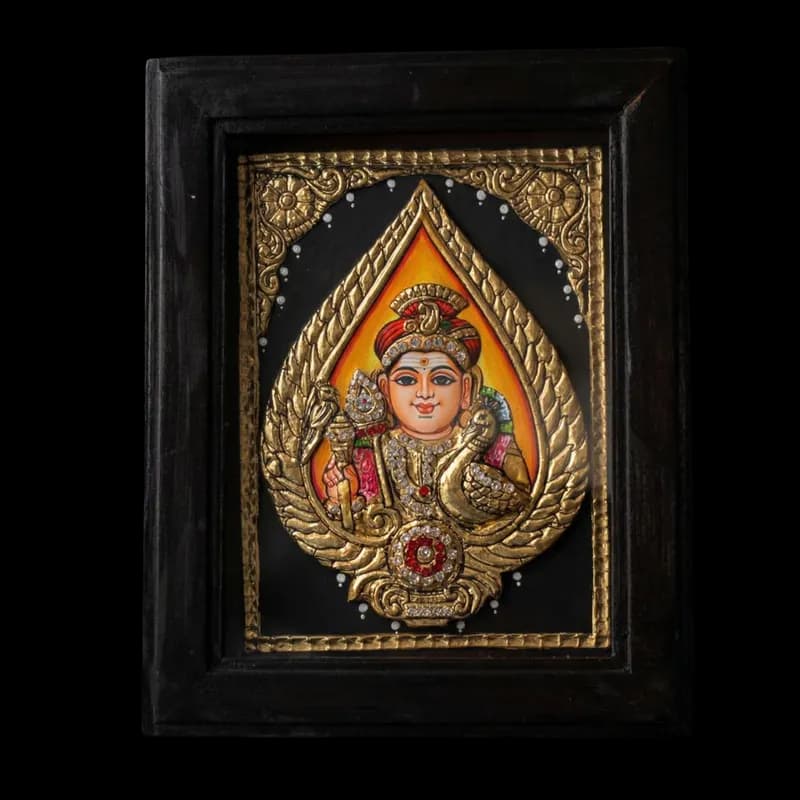
So no, this isn't an article about traditional art, I'll happily talk your ear off about any other week. It's not SEO-friendly and I don't particularly care today because like I said it before and I’ll say it again : Art is political. It always has been.
As once said: "Art opens up vision, it is a tool of change and it is feared because it has the power to see what others refuse to see." Systems don't fear beauty. They fear clarity. They fear the mirror that art holds up. They fear what happens when people start seeing.
Every revolution in human history has had art at its centre. The protest song. The mural on the wall. The photograph that breaks silence. The painting that refuses to look away. Art is how we speak when speech becomes dangerous. Art is how we remember when forgetting is demanded. Art is how we reclaim what was stolen, our stories, our truth and our right to exist exactly as we are.
This is why the Constitution matters. This is why questioning matters. This is why art, all art, including the geometry of Kolam, matters.
Because every brushstroke is an act of resistance. Every craft preserved is a revolution. Every tradition upheld is a refusal to be erased.
The youth know this. They're living it. They're uncomfortable. And that discomfort? It's not a bug. It's the point.
Inqulab Zindabad.